
Three Forms of Absurd Life
The Myth of SisyphusThis flow traces how the argument moves from abstract absurdity into the lived figures of the seducer, actor, and conqueror.
increasing Bearing strength in each event
 decreasing
Bearing strength in each eventdecreasingThe Absurd Man

The Absurd Man
Temporal Existence
The absurd person works within time and refuses to live for eternity. His field is the finite span of embodied life.
Innocence Without Doctrine
He does not require a universal moral system to justify himself. He aims instead to remain conscious, consistent, and unprotected by comforting illusions.
The Seducer
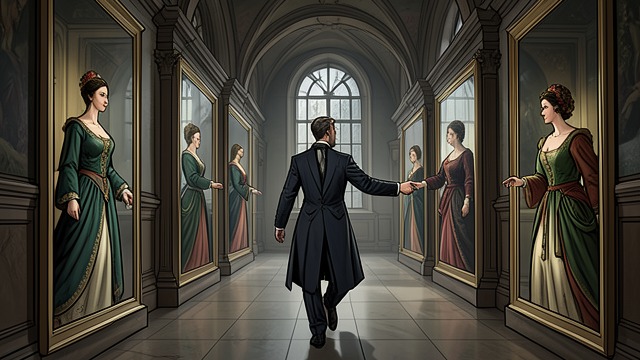
The Seducer
Repeated Passion
Don Juan moves from woman to woman not because he lacks love, but because each passion is complete and mortal. He refuses to convert finite desire into a promise of eternity.
Quantity of Experience
His life embodies an ethic of quantity: he multiplies encounters rather than seeking one permanent essence. The pattern is liberating only while its mortality remains visible.
The Actor
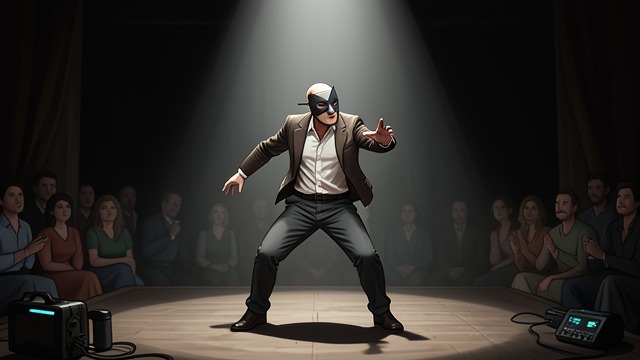
The Actor
Borrowed Lives
The actor lives many destinies within brief performances. Appearance becomes a mode of knowledge as the body discovers characters through gesture, voice, and movement.
Ephemeral Fame
The actor’s fame is openly temporary. Unlike the writer who may imagine posterity, the actor accepts that each role dies when the performance ends.
The Conqueror
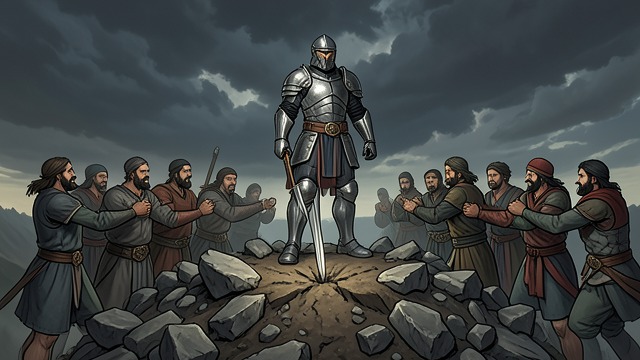
The Conqueror
Action Against History
The conqueror chooses action because history is the certainty crushing the present. He does not expect final victory, but accepts struggle as an embodied form of revolt.
Human Relations
His apparent grandeur is ultimately dependence on other people. Friendship, fraternity, and shared vulnerability become more vivid because they are temporary.
The Creator

The Creator
Forming the Ephemeral
Creation gives shape to experience without pretending to explain it. The artist repeats and organizes appearances while knowing that the work has no guaranteed future.
Discipline of Futility
Art becomes a daily exercise in lucidity, patience, and self-mastery. Its value lies less in permanence than in the ordeal of making.
transition from theory to examples
first example in the absurd man section
following the discussion of Don Juan
after the actor’s example
opening of Absurd Creation
